What Is 10s Rugby? The APR Games Format, Explained
The APR Games 2027 is a 10s rugby tournament: ten players a side, two 20-minute halves, under the lights in Las Vegas. Here's what 10s is, where it came from, and why it suits the APR Games.
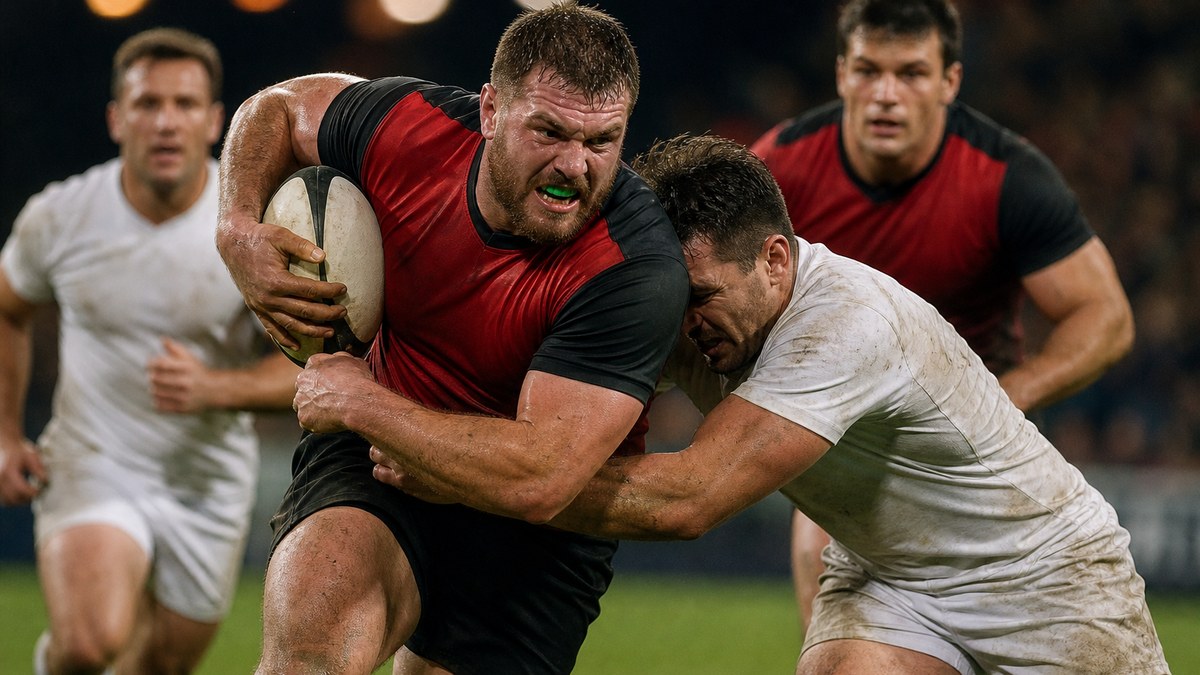
10s rugby (also called rugby tens or 10-a-side rugby) is a version of rugby union played with ten players per team instead of fifteen. It keeps the contact, the rucks, the scrums and the lineouts of the full game, but opens up the field so there is more running, more space and more tries. For the APR Games 2027 in Las Vegas, every Men's Elite and Women's Social match will be 10s rugby played over two 20-minute halves, a 40-minute game.
That's a deliberate choice. Most tens tournaments around the world play two 10-minute halves. The APR Games doubles that, giving players a real game of rugby rather than a sprint. This guide explains how 10s works, how it compares with 15s and sevens, why APR chose it, and how players can get ready before kickoff on Memorial Day Weekend, May 29–31, 2027.
- Players: 10 a side, typically five forwards and five backs.
- APR match length: two 20-minute halves (40 minutes), double the typical tens format.
- Set pieces: scrums and lineouts stay in the game; a tens scrum usually has five players.
- Divisions: Men's Elite ($10,000 prize pool), Women's Social ($5,000) and Youth (age-appropriate formats).
- Where and when: Las Vegas, May 29–31, 2027. Evening kickoffs under the lights.
- Player entry: $299, including your official APR Games jersey and kit bag, and a minimum of three pool games.
What Is 10s Rugby?
Rugby tens is a variant of rugby union in which each team fields ten players, usually split into five forwards and five backs. The laws are based on the 15-a-side game, with changes to fit the smaller teams. The biggest difference is the scrum: a tens scrum typically has five players, compared with eight in fifteens and three in sevens.
Fewer bodies on the field means more space for everyone. Attackers find gaps more often, defenders cover more ground, and the ball moves faster from side to side. But unlike sevens, tens keeps enough forwards to have a real contest at the breakdown, the scrum and the lineout. Forwards still matter, and it still looks and feels like rugby union.
Where 10s rugby came from
The format began in Malaysia. The Combined Old Boys Rugby Association (COBRA) introduced it in 1967 so Asian players could compete better against larger players from the traditional rugby nations. The COBRA Rugby Tens is still played today.
The idea spread quickly. The Hong Kong Football Club 10s started in 1986, as part of the club's centenary celebrations, and has grown into one of the best-known tens events in the world, nicknamed the "World's Best 10s." It is played every spring in the build-up to the Hong Kong Sevens and regularly attracts former international players. The Manila 10s followed in 1989, and the Cape Town Tens has run since 2009. Tens is especially popular in Malaysia, Singapore, Thailand, South Korea, Indonesia and South Africa.
The APR Games brings that tradition to Las Vegas, with prize money, a player-first entry model and evening games under floodlights.
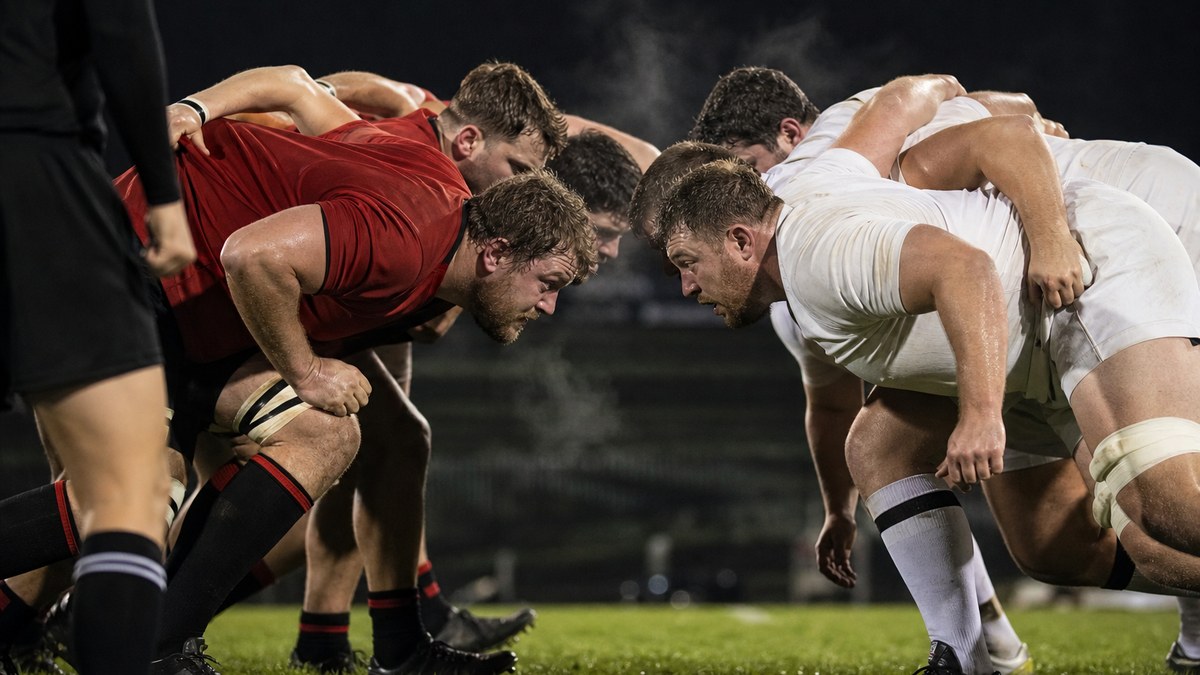
10s vs 7s vs 15s Rugby: How the Formats Compare
If you've played fifteens or sevens, the easiest way to understand tens is to put the three formats side by side.
| Format | Players | Typical match length | Scrum size | What it feels like |
|---|---|---|---|---|
| 15s (rugby union) | 15 a side | Two 40-minute halves | 8 players | The full game. Structured, physical, forward-heavy. |
| 10s (rugby tens) | 10 a side | Usually two 10-minute halves | Typically 5 players | Fast and open, but still with a real forward contest. |
| APR Games 10s | 10 a side | Two 20-minute halves | Tens set pieces | The pace of tens with double the minutes. A proper game, not a sprint. |
| 7s (sevens) | 7 a side | Two 7-minute halves | 3 players | Pure speed and space. Backs dominate. |
In short, tens sits between the two Olympic and World Cup formats. It's quicker and more open than fifteens, but more physical and more complete than sevens. That middle ground is why so many players who love both formats end up loving tens.
Why the APR Games Switched to 10s
The APR Games was originally planned as a fifteens tournament. It is now a tens tournament, and here's why that's the right format for a player-first event in Las Vegas.
1. More players get on the ball
In fifteens, a winger can go ten minutes without a touch. In tens, everyone is involved. Every player carries, tackles and makes decisions. For a player-first tournament, that matters.
2. It's built for a three-day event
The APR Games runs over Memorial Day Weekend, with pool games and finals across three days. A 40-minute tens game gives players a full, demanding contest while keeping recovery realistic between pool games and the finals. It also lets us schedule every division in the evening, when the Las Vegas heat drops.
3. Squads are easier to build and travel
A tens squad is smaller than a fifteens squad, which makes it easier for clubs, social sides and invitational teams to field full rosters and travel to Las Vegas. More teams can take part, and more players get real minutes.
4. It's a better show
Open space means line breaks, offloads and tries. Under floodlights in Las Vegas, with a crowd and music between games, that makes for the kind of rugby that wins over new American fans, not just people who already love the sport.
5. We kept it real rugby
We didn't want a watered-down format, so we doubled the typical tens match length to two 20-minute halves. The contact, the set pieces and the breakdown all stay, so forwards still decide games. It's rugby union at full intensity with more room to play.
Play in America's premier 10s tournament
$299 per player includes your official APR Games jersey, full kit bag, a minimum of three guaranteed pool games, opening-night access and a player profile on americanprorugby.com.
How the APR Games 2027 Works
Three divisions
- Men's Elite: a $10,000 prize pool ($6,000 / $3,000 / $1,000), with a pool stage into semifinals and a final. 10s rugby at its most intense.
- Women's Social: a $5,000 prize pool ($3,000 / $1,500 / $500). Competitive and inclusive, and also played as 10s.
- Youth: medals and trophies, no entry fees and age-appropriate formats.
The weekend schedule
| Day | Date | What's on |
|---|---|---|
| Saturday | May 29, 2027 | Opening ceremony (6 PM), exhibition match (7:30 PM), players' social (9 PM) |
| Sunday | May 30, 2027 | Pool games across all divisions (evening) |
| Monday | May 31, 2027 | Youth final (4 PM), Women's Social final (6 PM), Men's Elite final (8 PM) |
Before the tournament, the APR Coaching Clinic (May 28–31, 2027) brings international coaches to Las Vegas for intensive sessions on attack, set piece, defense, player development and video analysis. See the coaching clinic.
The teams
Five founding Las Vegas franchises (Vegas Kings, Vegas Knights, Vegas Blackjacks, Downtown Rugby and Vegas Lions) are joined by a mystery invitational team. Meet the APR teams.

How Teams Win at 10s: Tactics to Watch
Tens rewards teams that understand space. These are the patterns you'll see from the best sides at the APR Games, and the ones worth building into your own team's game plan.
Width first, then go through the middle
With ten defenders trying to cover the full width of the pitch, the edges are where the space is. Good tens teams move the ball wide early to stretch the defense, then attack the gaps that open in midfield once defenders shift across.
Quick ruck ball wins games
The faster the ball comes back from the breakdown, the less time the defense has to realign. Tens teams commit fewer players to each ruck than fifteens teams, so the first arriving support player has to clear out effectively and the scrum-half has to move it quickly.
The kick is a weapon, not a habit
With fewer players in the backfield, a well-placed kick can turn a defense around. But possession is valuable in a 40-minute game, so the best sides kick with purpose: to chase, to contest or to find touch deep in the opposition half, not just to clear.
Set pieces still matter
A five-player scrum and a smaller lineout still decide possession. Teams with a strong set piece get clean, fast ball to attack the space behind it. Expect forwards who can scrummage, lift and then run in the open field to be the most valuable players on the pitch.
Conditioning decides the second half
Twenty-minute halves in tens are long enough for fatigue to show. Teams that rotate their bench smartly and keep their defensive line connected late in the game will win the close ones, especially on finals night.
How to Prepare for 10s Rugby
If you've only played fifteens, tens will test you differently. Here's how to get ready for a 40-minute tens game.
- Build your repeat-sprint fitness. With fewer players covering the same pitch, you'll make more high-intensity efforts with less rest. Train intervals, not just long runs.
- Get comfortable in space. One-on-one tackling in open field happens more often in tens. Practice tackle technique and footwork in wide channels.
- Every forward is a ball carrier. With five forwards, there's nowhere to hide. Work on handling, offloads and support lines.
- Backs, you'll hit rucks. Backs are involved at the breakdown far more than in fifteens. Clean-out and jackal technique matter for everyone.
- Communicate on defense. Wide gaps punish disorganized lines. Agree on your defensive system before the tournament.
- Plan recovery for a weekend. You'll play at least three pool games. Sleep, hydration and nutrition between games are part of the plan, especially in the Las Vegas climate.
New to the game? Start with our guide to how to start playing rugby as an adult in Las Vegas.
Coming to Watch? A Fan's Guide to the APR Games Weekend
You don't have to play to enjoy the APR Games. Tens is one of the most fan-friendly ways to watch rugby: games are short enough to follow every one, there are tries in almost every half, and the evening schedule means you can enjoy Las Vegas by day and rugby under the lights by night.
- Saturday is the party: the opening ceremony, an exhibition match and the players' social kick off the weekend.
- Sunday is pool day: back-to-back games across all three divisions, which is the best day to see as much rugby as possible.
- Monday is finals night: the Youth, Women's Social and Men's Elite finals run back to back, ending with the Men's Elite final at 8 PM.
- Dress for the desert: late-May evenings in Las Vegas are warm. Bring water, sunscreen for the early sessions and a light layer for after dark.
- Plan your stay: for hotels, restaurants and where to celebrate after the final, see the Las Vegas guides at Luna Appleton.
Rep your team in style with official gear from the APR shop, and sign up for the APR newsletter for ticket and schedule updates.
The APR Games is made possible by our partners. Players and fans can support the businesses that support American rugby:
Coming to Vegas for the Games? Luna Appleton covers where to stay, eat and celebrate after the final. Looking for a gift for the rugby fan in your life? Try Giftabiz. Clubs and venues that want their name in lights can talk to American LED Signage.
Frequently Asked Questions
What is 10s rugby?
10s rugby, also called rugby tens, is a version of rugby union played with ten players per side, usually five forwards and five backs. It keeps contact, scrums and lineouts but gives players more space, which makes the game faster and more open than fifteens.
How long is a 10s rugby game at the APR Games?
APR Games matches are two 20-minute halves, a 40-minute game. That is double the two 10-minute halves used by many tens tournaments.
How many players are on a 10s rugby team?
Ten players are on the field per team, typically five forwards and five backs. Squads include substitutes. Full squad rules for the APR Games will be confirmed with player registration.
What is the difference between 10s and 7s rugby?
Sevens uses seven players a side, three-player scrums and short halves, and is dominated by speed. Tens uses ten players, typically five-player scrums and keeps more of the forward contest, so it plays like a faster, more open version of fifteens.
Where did 10s rugby start?
Rugby tens began in Malaysia in 1967, introduced by the Combined Old Boys Rugby Association (COBRA). The Hong Kong Football Club 10s followed in 1986 and has become one of the best-known tens tournaments in the world.
Is the APR Games 10s for all divisions?
Yes. Men's Elite and Women's Social games are 10-a-side rugby over two 20-minute halves. The Youth division plays age-appropriate formats.
When and where is the APR Games 2027?
The APR Games 2027 takes place in Las Vegas, Nevada, over Memorial Day Weekend, May 29–31, 2027, with evening kickoffs under floodlights.
How much does it cost to play in the APR Games?
Player entry is $299. It includes an official APR Games team jersey, a full kit bag, a minimum of three guaranteed pool games, opening-night access and a player profile on americanprorugby.com.
How much prize money is on offer?
The APR Games has $15,000 in total prize money: a $10,000 pool for Men's Elite and a $5,000 pool for Women's Social. Youth teams compete for medals and trophies.
Keep Reading
Sources
- Rugby tens (format, history and tournaments)
- COBRA Rugby Tens
- Hong Kong China Rugby: HKFC 10s 2026
- Topend Sports: About rugby tens
Tournament details, schedules and prize amounts are current as of publication and may be updated. Full APR Games rules, squad sizes and eligibility will be published with player registration. Follow the APR newsletter for updates.